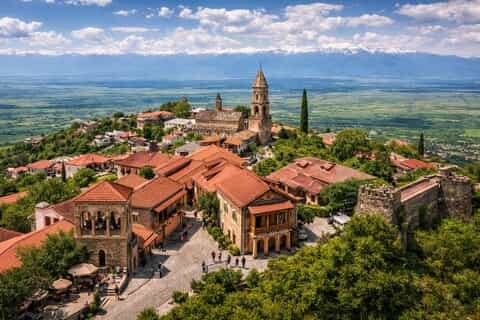
Where Wine Began: Georgia’s 8,000-Year-Old Winemaking Tradition
8000 Years of WinemakingThe evidence sits in a museum: pottery fragments from Gadachrili Gora and Shulaveris Gora, dated to around 6000 BC, carrying tartaric acid residue.
That makes this the oldest continuous winemaking culture we know of — and, unusually, one that never industrialised its way out of its own tradition.
Why It Survived
Partly geography, partly stubbornness. The qvevri is cheap to make, lasts generations, and works without electricity.
When the Soviet system consolidated production and reduced the country to a handful of approved varieties, thousands of families simply kept making wine at home, in clay, as they always had.
The tradition survived in cellars, not in policy.
Section title
Four Hundred and Fifty Grapes
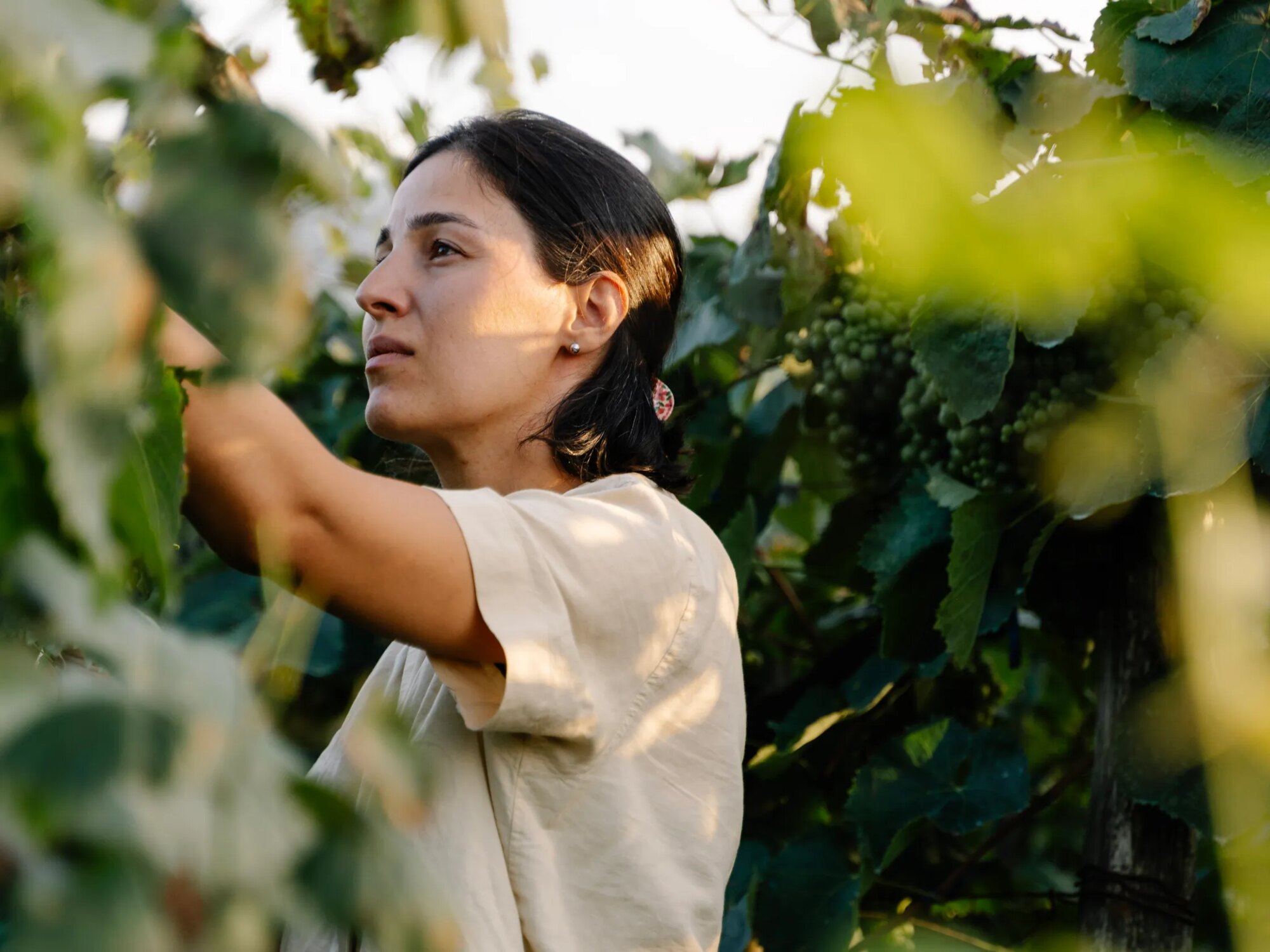
Georgia has catalogued roughly 450 indigenous grape varieties. For most of the twentieth century commercial production used barely a dozen of them.
The recovery work is happening now, plot by plot, in cellars small enough that a bad year is survivable.
The Regions
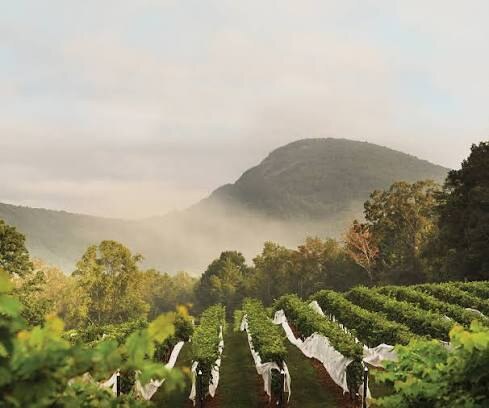
Ten wine regions, each with its own varieties and its own habits. Kakheti alone accounts for the majority of what the country produces.
What to Look For
If you are starting from nothing, start with the varieties that carry the place most clearly.
Begin here:
- Rkatsiteli, for amber
- Saperavi, for red
- Kisi, for aromatic whites
- Tsolikouri, for freshness
- Aleksandrouli, for the sweet reds of Racha