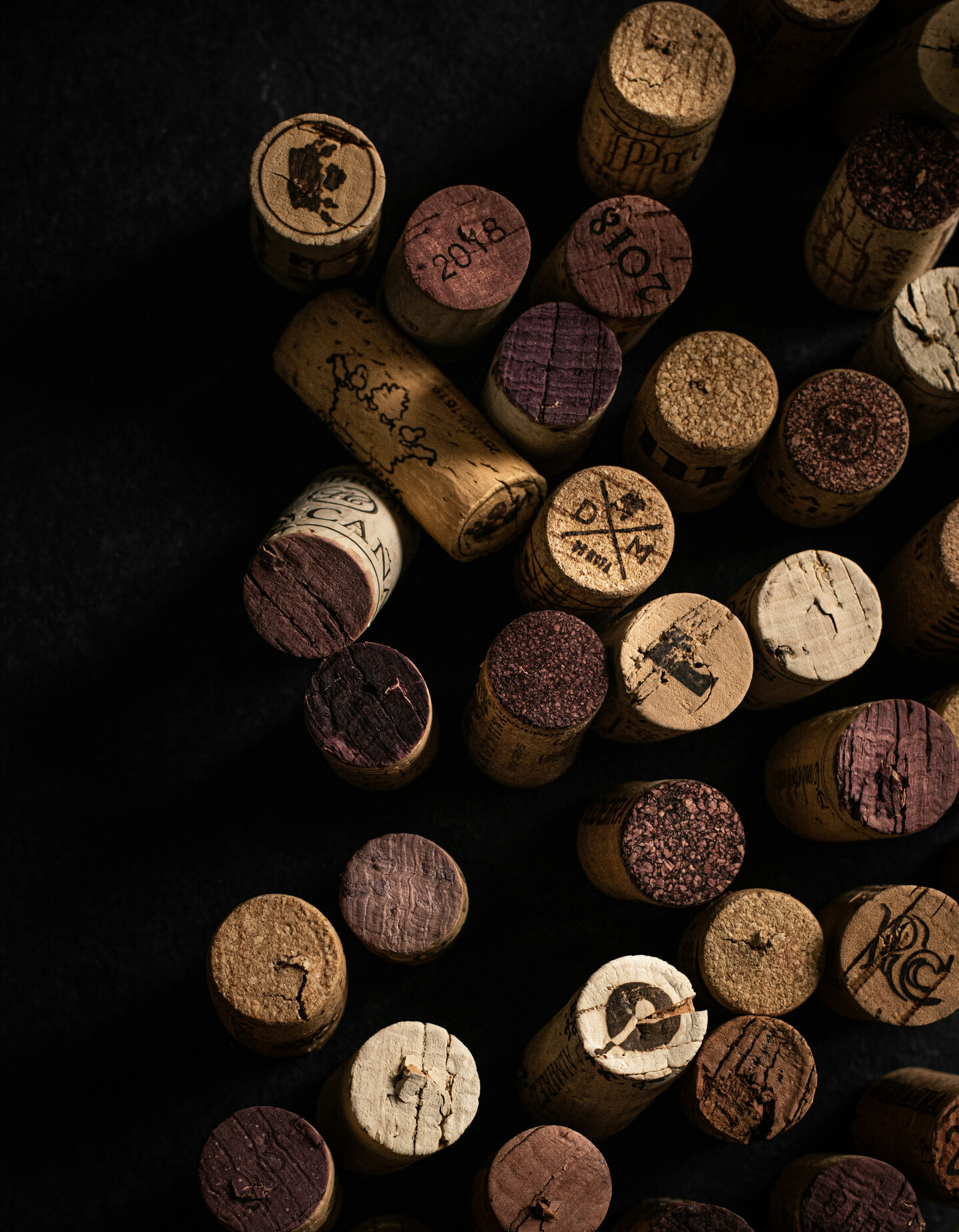
From Qvevri to Bottle: The Journey of Georgian Wine
WinemakingGeorgia’s relationship with wine stretches back eight thousand years, and for almost all of that time the vessel has been the same: a qvevri, made of clay, lined with beeswax and buried to its neck in the floor of the cellar.
What follows is not a process so much as a craft. Grapes go in whole. What comes out months later has been fermented, macerated and settled without a pump, a filter or a thermostat.
It All Begins in the Vineyard
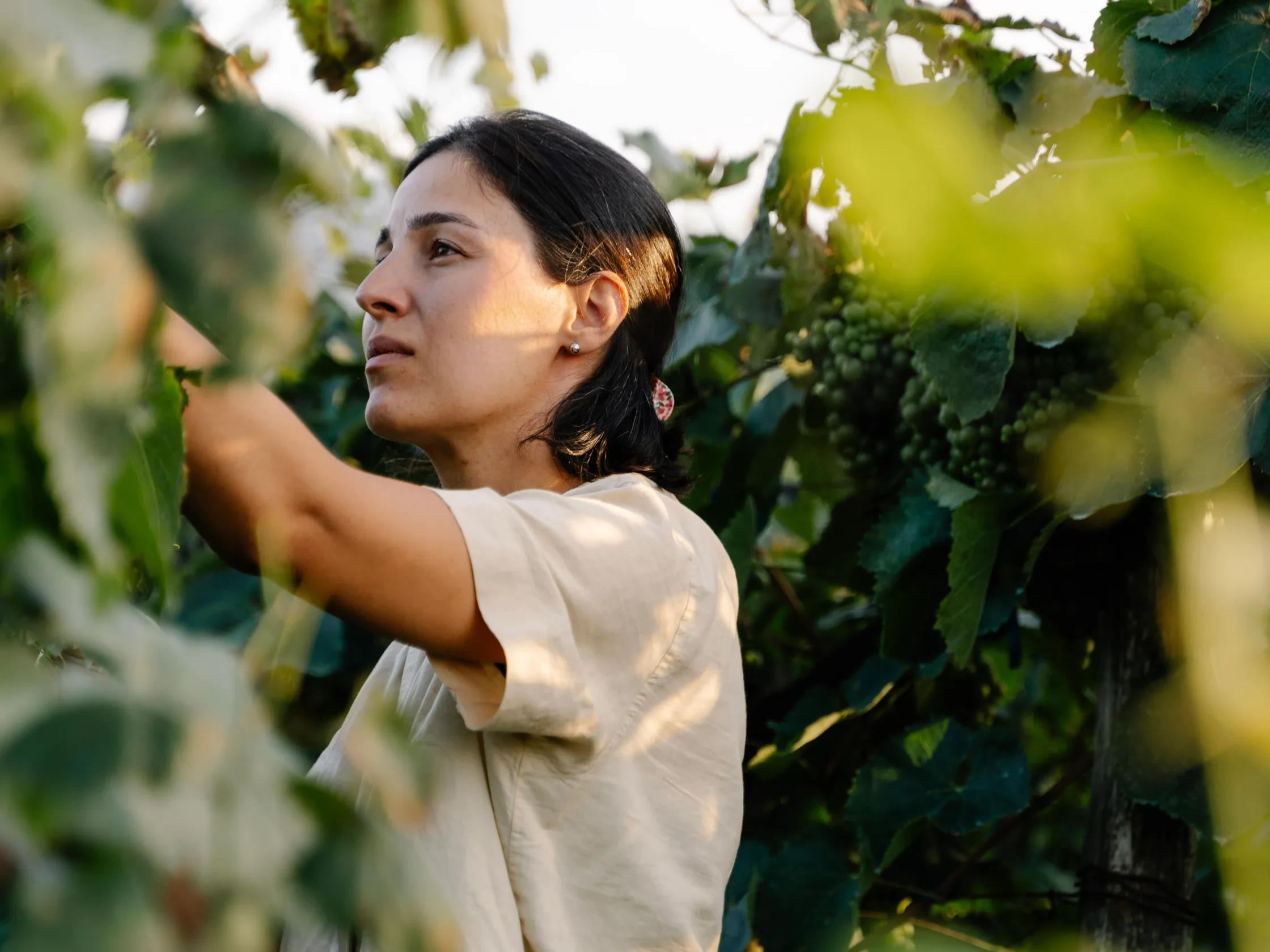
The site does most of the work. Soil, altitude and aspect set the limits of what the wine can become long before anyone picks up a basket.
Kakheti, in the east, is warm and generous and tends towards power. Kartli sits higher and cooler. Imereti, Racha and Lechkhumi, west of the mountains, give freshness and a lighter frame. Harvest timing is the last decision the vineyard allows you to make.
The character of the final wine begins with the choices made in the vineyard.
Section title
The Harvest: When the Journey Moves to the Cellar
Rtveli, the harvest, is a social occasion before it is an agricultural one — families, neighbours and anyone who happens to be passing.
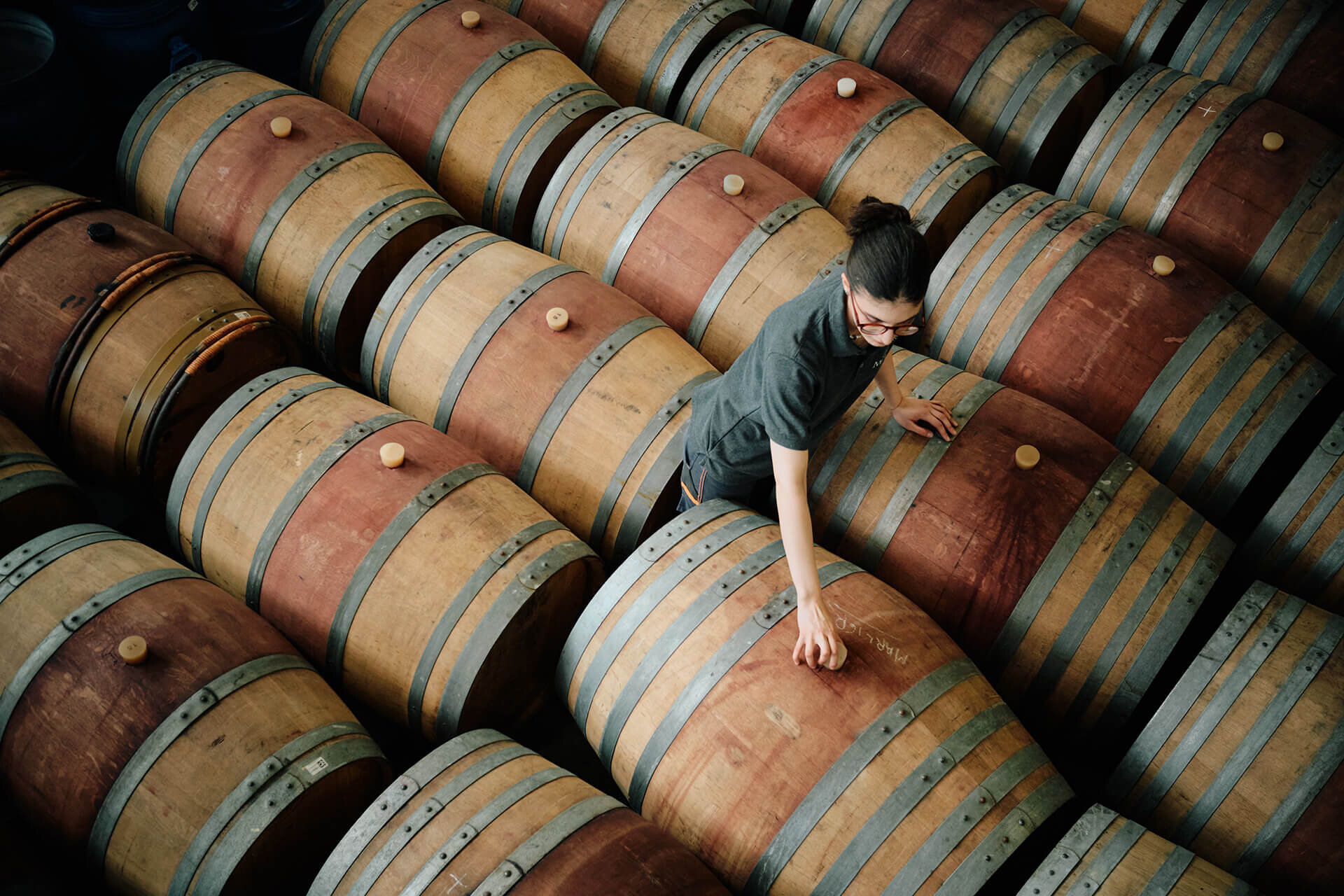
In the cellar the fruit is sorted and, depending on the style, destemmed or left whole. Then comes the fork in the road: qvevri, or steel and oak. Both are used here, and the choice is not a hierarchy.
Fermentation: When Grapes Become Wine
Fermentation in qvevri begins with the vineyard’s own yeasts and runs at the temperature of the surrounding earth — steady, slow and entirely unforced. The tapered base gathers the lees in a narrow cone so the wine above stays clear without racking.
Skin Contact and the Character of Amber Wine
White grapes left on their skins produce what the world now calls amber wine.
The wine may gain:
- deeper colour
- greater tannic structure
- more pronounced texture
- complex aromas of dried fruit, herbs, tea, spices, and flowers
- increased ability to evolve with age