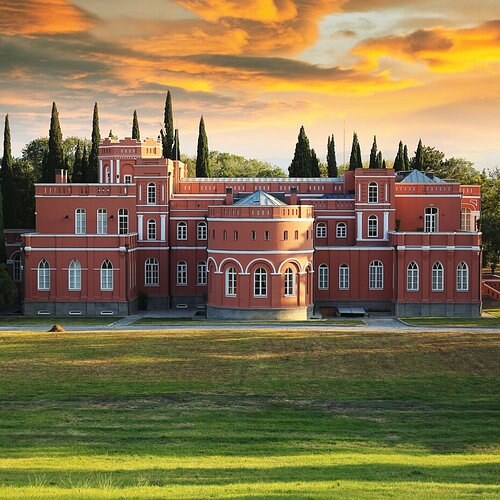
Beyond the Label: How Terroir Shapes the Character of Georgian Wine
WinemakingTerroir is an overused word, but Georgia makes an unusually clean case for it. The country is small and mountainous, and the conditions change quickly across short distances.
A Rkatsiteli grown on the warm floor of the Alazani valley and one grown on a limestone slope in Imereti will share a name and very little else.
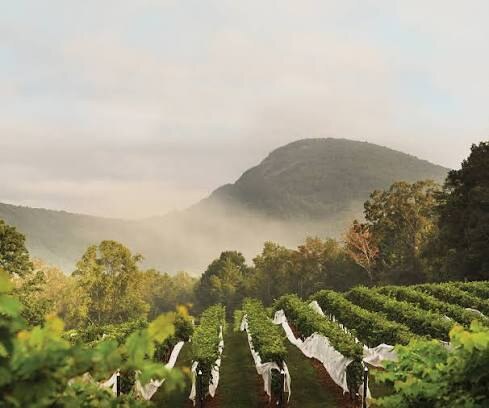
Soil, Slope, Altitude
Altitude buys acidity. Limestone gives a chalky grip. Alluvial valley floors give weight and generosity.
None of it determines the wine on its own — but together they set the range within which the winemaker gets to work.
Two cellars, twenty kilometres apart, and two entirely different wines.
Section title
Reading a Bottle Before You Open It
Region, grape, method. Three pieces of information, usually all on the front label.
The word qvevri tells you the wine spent time in clay, usually on skins. Its absence generally means steel — a cleaner, brighter, more immediately approachable style.
East and West
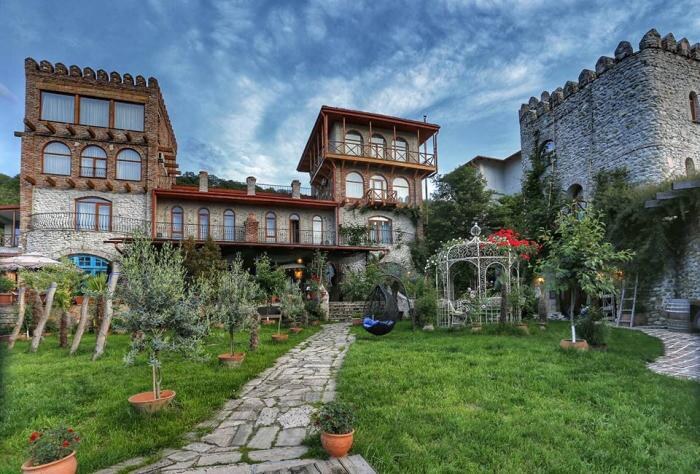
The Likhi range splits the country in two, and it splits the wine with it: power and skin contact to the east, freshness and lift to the west.
What Changes With Altitude
Every hundred metres of elevation buys you a little more acidity and a little less alcohol.
In practice this means:
- brighter aromatics
- firmer structure
- slower ripening and a later harvest
- longer ageing potential
- lower alcohol at the same ripeness